15/17 Suny Jigide Street, By Celestial Way, Ogudu Lagos.
Mon-Fri 08:00 AM - 05:00 PM
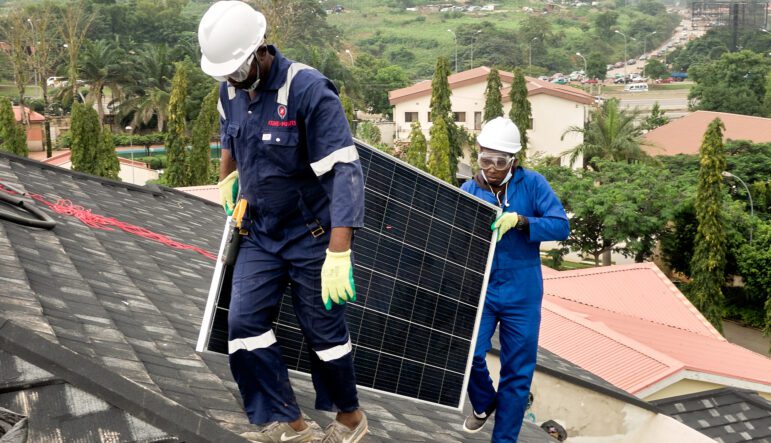
In Nigeria’s agricultural sector, energy is the silent workhorse powering irrigation pumps, cold storage facilities, processing machines, and even farm offices. Unfortunately, the high cost and unreliability of diesel generators and grid electricity have made energy a major challenge for farmers, especially small- to medium-scale operators.
Solar inverters offer a sustainable and cost-effective alternative, enabling farmers to cut expenses, improve efficiency, and ensure uninterrupted operations.
A solar inverter is the device that converts the direct current (DC) produced by solar panels into alternating current (AC), which powers most farm equipment.
For farmers, this means:
Solar power can run irrigation systems, feed mixers, milk coolers, and lighting.
Energy storage with batteries can provide power at night or during cloudy weather.
Many farms in Nigeria rely on diesel or petrol generators, where fuel costs can take up 30–40% of operating expenses.
With a properly sized solar inverter system, fuel use can be reduced drastically or eliminated for certain operations.
Grid tariffs and fuel prices are unpredictable. Solar power locks in a long-term, predictable energy source with minimal operating costs after installation.
Generators require frequent servicing and repairs. Solar inverter systems have fewer moving parts, which means reduced maintenance spending.
Environmental impact: Solar energy cuts down CO₂ emissions from fossil fuels, helping farms operate more sustainably.
Reliable power: Less downtime for irrigation and cooling systems, preventing crop losses and spoilage.
Energy independence: Farmers can operate off-grid in remote locations without waiting for grid expansion.
Energy Audit: Assess your farm’s energy needs before selecting an inverter.
Choose the Right Capacity: Oversized or undersized systems can be wasteful.
Hybrid Options: Combine solar with grid or generator backup for 24/7 reliability.
Quality Equipment: Use reputable brands and certified installers to avoid premature failures.
Maintenance Plan: Schedule periodic checks to keep the system running efficiently.
For Nigerian farmers, switching to solar inverters isn’t just about going green; it’s a business decision that boosts profitability and sustainability. As energy costs continue to rise, farms that embrace solar power will gain a competitive edge and secure their long-term productivity.
Core-Power Engineers specializes in designing and installing solar inverter systems tailored for agricultural operations. Let us help you turn the sun into a dependable and cost-saving energy source for your farm. Contact us
Call / WhatsApp (+234) 9130003339 (Office)
