15/17 Suny Jigide Street, By Celestial Way, Ogudu Lagos.
Mon-Fri 08:00 AM - 05:00 PM
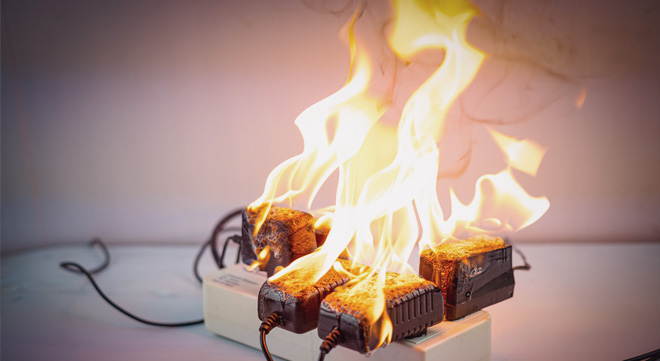
Practical Strategies to Protect Lives, Equipment, and Facilities
Electrical fires can escalate in seconds, but with the right preventive measures and response protocols, most of them can be entirely avoided. This article explores three smart and often underused strategies for preventing electrical fires and ensuring quick, effective action when incidents occur.
Many electrical fires begin in places that go unnoticed until it’s too late. Faulty connections, corroded terminals, and overloaded circuits are silent threats.
High-Resistance Connections (HRCs): These can generate extreme heat without triggering a fuse or breaker.
Thermal Runaway: When overheating causes lower resistance and increased current flow, it creates a self-feeding fire hazard.
Routine Maintenance: Periodic inspections, thermal scanning, and torque testing can reveal risks before they become fire events.
Traditional breakers are essential, but they often miss temperature-related faults. That’s where smarter technology makes the difference.
Heat-Sensitive Breakers and Sensors: These detect dangerous temperature rises caused by loose connections or degrading insulation.
Real-Time Load Monitoring: Advanced monitoring systems can alert your team to abnormal loads or surges—long before visible signs of overheating.
Smoke and Gas Detection: Pair smoke alarms with CO detectors and automated power shutdowns in sensitive areas.
These technologies enable early intervention, reducing the likelihood of full-scale electrical fires.
Even with robust prevention measures, human readiness is crucial when an incident occurs.
Use the Right Fire Extinguishers: Never use water on live electrical systems. Class C and CO₂ extinguishers are essential.
Shut Off Power Safely: Ensure all staff know where circuit breakers and main shut-off switches are located and how to use them safely.
Run Regular Drills: Emergency response training, proper extinguisher use, and evacuation protocols should be practiced and documented.
Keep Detailed Logs: Documenting inspections, repairs, and near-misses helps identify trends and areas for improvement.
Electrical fires are almost always preventable with the right mix of proactive maintenance, intelligent detection, and prepared response. By identifying hidden risks, using smarter safety devices, and training your team effectively, you create a safer environment for everyone and protect your property from avoidable damage.
Core-Power Engineers offers advanced electrical fire prevention solutions, safety audits, and custom installations tailored to your needs. Let’s make your power system safer and more reliable. Contact us today to get started.
Call / WhatsApp (+234) 9130003339 (Office)
