15/17 Suny Jigide Street, By Celestial Way, Ogudu Lagos.
Mon-Fri 08:00 AM - 05:00 PM
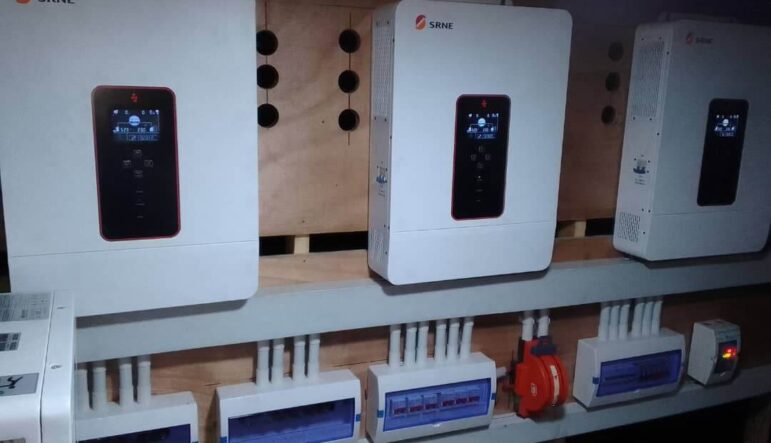
Inverter systems are the backbone of uninterrupted power for homes and businesses, especially in areas where electricity is unstable. But like every hardworking machine, inverters age, wear out, and sometimes can’t keep up with your growing energy needs.
At Core-Power Engineers, we often meet clients frustrated with inverter performance, only to discover the system simply needs an upgrade. So, how do you know when it’s time to upgrade?
If your lights flicker, appliances restart unexpectedly, or your inverter shuts down under moderate load, it could mean your current system is underpowered or faulty.
Why these matters: Power instability can damage sensitive electronics and affect business operations. An upgrade ensures consistent output.
Do your batteries drain faster than they used to, even without increased usage? It might not be the battery alone; it could be your inverter not charging efficiently or discharging too quickly.
Upgrade tip: Modern inverters come with smarter charging algorithms that extend battery life.
Have you added an AC, new computers, or expanded your business? Your old inverter may not be sized for the increased load.
Solution: Upgrade to a higher-capacity system or consider a hybrid system that works with solar and grid power.
While some low hum is normal, unusual noise or overheating is not. It could signal internal component failure or poor efficiency, both signs your system is on its last legs.
Reminder: Inverters should be cool and quiet under normal loads.
Technology changes fast. Older inverters lack the features and efficiency of newer models, such as:
Smart monitoring via mobile apps
Load prioritization
Improved power conversion efficiency
Fact: Upgrading often saves more money than repairing outdated tech.
If there’s a noticeable delay between the power outage and inverter response, or the switchover isn’t seamless, you might have a low-quality or aging inverter.
Modern inverters offer instant switchover, especially crucial for businesses or homes with medical equipment or servers.
Not all inverters support solar integration. If you’re planning to go solar (or already have panels), you’ll need an MPPT or hybrid inverter for maximum efficiency.
Core-Power Tip: Consider upgrading to a solar-ready hybrid inverter now, even if you’re not installing solar immediately.
A failing inverter can silently drive up your power costs, shorten battery life, and damage appliances. Don’t wait until it fails.
At Core-Power Engineers, we offer:
Solar-ready, smart inverters with warranty
Professional installation and maintenance
Call us today or send us a message for upgrade options that fit your needs and budget.
Call / WhatsApp (+234) 9130003339 (Office)
