15/17 Suny Jigide Street, By Celestial Way, Ogudu Lagos.
Mon-Fri 08:00 AM - 05:00 PM
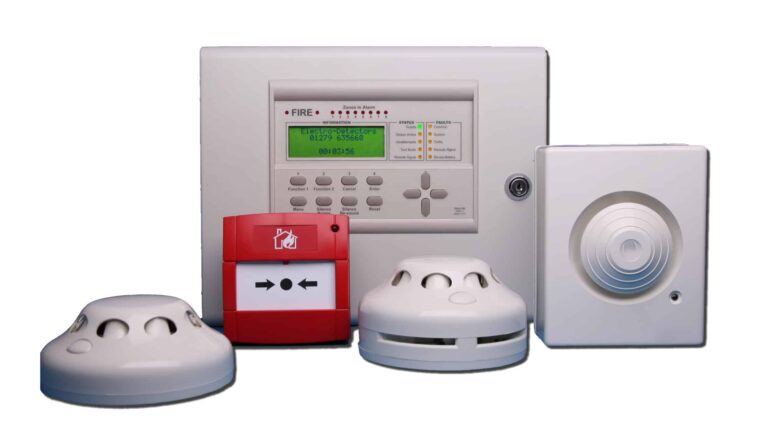
Not all buildings face the same fire risks. Facilities such as laboratories, industrial plants, warehouses, commercial kitchens, and data centers operate under conditions that increase the likelihood of fires and make them more hazardous. In these high-risk environments, standard fire protection measures are often not enough.
Effective fire protection here requires careful design, specialized systems, and expert engineering.
A high-risk environment is any space where the likelihood of fire is elevated or where the consequences of fire are severe.
Common examples include:
Industrial and manufacturing facilities
Warehouses storing flammable materials
Commercial kitchens
Laboratories and research centers
Data centers and server rooms
Fuel storage and power generation facilities
Each of these environments presents unique challenges that must be addressed during the design of fire protection.
Generic fire protection systems are usually designed for low- to medium-risk spaces. In high-risk environments, they may:
Detect fires too late
Spread smoke through the ventilation systems
Damage sensitive equipment during suppression
Fail to control rapidly growing fires
This is why fire protection must be tailored to the specific hazards present in each facility.
High-risk environments need fast, reliable detection. Advanced systems such as aspirating smoke detectors, flame detectors, and multi-sensor alarms provide early warnings and reduce false alarms.
Different risks require different suppression methods:
Gas suppression systems for data centers and electrical rooms
Foam systems for flammable liquid storage
Wet chemical systems for commercial kitchens
Water mist systems for areas needing minimal water damage
Choosing the wrong suppression method can cause more harm than good.
Smoke is often the biggest threat to life and operations. Fire protection design must include:
Smoke exhaust and extraction systems
Fire and smoke dampers
Compartmentation to limit smoke spread
Pressurized escape routes
These measures help maintain visibility and safe evacuation paths.
Passive fire protection is just as important as active systems. Fire-rated walls, doors, ceilings, and structural elements prevent fire from spreading and buy critical response time.
In high-risk environments, fire protection must work seamlessly with:
HVAC systems
Electrical systems
Building management systems (BMS)
Emergency power supplies
Proper integration ensures automatic responses without human delay.
Even the best-designed systems fail without proper maintenance and trained personnel. High-risk facilities should have:
Regular system testing and inspections
Clear emergency response procedures
Staff training on fire and smoke emergencies
Fire protection is not a one-time installation; it’s an ongoing commitment.
Designing fire protection for high-risk environments is not about ticking boxes. It’s about:
Protecting lives
Minimizing downtime
Preserving critical assets
Meeting regulatory requirements
Reducing liability
Expert engineering ensures every risk is addressed correctly.
Core-Power Engineers specializes in fire protection design and implementation for high-risk environments.
Our team delivers tailored solutions, combining advanced detection, suppression, smoke control, and MEP integration, to protect people, assets, and operations.
👉 Contact Core-Power Engineers today to discuss fire protection solutions built for your specific risks.
Call / WhatsApp (+234) 9130003339
