15/17 Suny Jigide Street, By Celestial Way, Ogudu Lagos.
Mon-Fri 08:00 AM - 05:00 PM
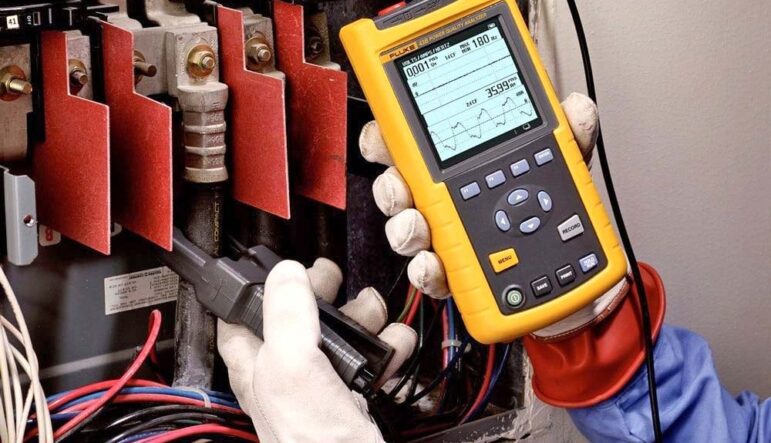
Energy costs are a major operating concern for factories in Lagos. Between grid instability, generator dependence, rising fuel costs, aging equipment, and inefficient production processes, manufacturers can lose significant amounts of money through energy waste they cannot easily see.
The challenge is that not all energy waste is obvious. A machine may appear to be functioning normally while consuming more electricity than necessary. Compressed air systems may have leaks. Motors may run when production has stopped. Cooling equipment may be oversized or poorly maintained. Generators may operate inefficiently because of poor load management.
This is where a professional energy audit becomes valuable.
An energy audit is a systematic assessment of how a facility consumes energy. It examines equipment, production processes, building systems, and operating practices to identify where energy is being used efficiently and where it is being wasted.
For Lagos factories, an audit can cover areas such as:
The goal is not simply to find ways to “use less power.” It is to understand exactly where energy is going and identify practical opportunities to reduce unnecessary consumption without disrupting production.
Many factories focus on obvious energy expenses, such as diesel purchases or monthly electricity bills. However, hidden inefficiencies can quietly increase these costs every day.
For example, a compressed air leak may seem insignificant, but multiple leaks across a facility can force compressors to work harder and consume more electricity. Similarly, an inefficient motor or poorly maintained cooling system may continue operating for years while gradually increasing energy costs.
Other common sources of hidden waste include:
Without detailed measurement and analysis, these problems can remain invisible.
One of the biggest advantages of an energy audit is that it gives factory managers a clearer picture of actual energy performance.
Rather than assuming that a particular machine, department, or process is responsible for high consumption, an audit uses data to identify the real sources of energy loss.
This can involve analysing energy bills, monitoring equipment loads, measuring consumption patterns, reviewing operating schedules, and assessing the efficiency of key systems.
The result is a more accurate understanding of questions such as:
With this information, factory operators can make better investment and operational decisions.
For many manufacturers in Lagos, energy management involves balancing multiple power sources. A facility may use grid electricity, diesel or gas generators, and increasingly, renewable energy or energy storage systems.
An energy audit can help determine whether these sources are being used efficiently.
For example, running a generator significantly below its optimal load can increase fuel consumption per unit of useful electricity produced. Poor load allocation can also result in unnecessary generator runtime.
By analysing load profiles and operating patterns, factories can identify opportunities to improve:
These improvements can reduce operating costs while also improving energy reliability.
Industrial equipment naturally accounts for a large share of factory energy use. However, older or poorly maintained equipment can consume substantially more energy than necessary.
Energy audits can help identify:
Once these issues are identified, factory managers can prioritise corrective actions.
Not every solution requires a major capital investment. In some cases, better maintenance, improved controls, load optimisation, or changes to operating schedules can produce meaningful savings.
A useful energy audit does more than produce a list of problems. It helps businesses prioritise opportunities based on impact, cost, and practicality.
Recommendations can typically be grouped into:
These may include adjusting equipment schedules, switching off idle loads, repairing leaks, improving maintenance practices, or optimising generator loading.
These may involve installing more efficient motors, variable-speed drives, improved controls, LED lighting, or energy monitoring systems.
For larger facilities, the audit may support decisions involving solar power, battery storage, power factor correction, equipment replacement, or broader energy management improvements.
This prioritisation helps factories avoid spending money on projects that look attractive but deliver limited real-world savings.
Energy efficiency projects require capital, and factory managers need confidence that investments will produce measurable results.
An energy audit provides the baseline information needed to evaluate potential projects more accurately.
Instead of asking, “Will this technology save energy?” businesses can ask more specific questions:
This makes energy management a more strategic business decision rather than a series of isolated upgrades.
Reducing energy waste can also create operational benefits across the factory.
Better energy management may contribute to:
For energy-intensive manufacturers, these improvements can strengthen both operational efficiency and long-term competitiveness.
The real value of an energy audit lies in what happens after the assessment.
Factories should use audit findings to create a practical implementation plan, establish energy performance targets, assign responsibility for improvements, and monitor results over time.
Energy management should not be treated as a one-time exercise. Production volumes, equipment conditions, electricity tariffs, and operating patterns can all change. Regular monitoring helps businesses identify new inefficiencies before they become significant financial losses.
Hidden energy waste can quietly increase electricity and fuel costs, reduce equipment efficiency, and weaken operational performance. An energy audit provides the data and insights needed to identify these inefficiencies and take targeted action.
CorePower can help your factory understand where energy is being wasted and identify practical opportunities to improve efficiency, reduce costs, and optimise energy performance.
Contact CorePower today to discuss an energy audit and take the first step toward a more efficient, cost-effective factory operation.
Call/WhatsApp (+234) 9130003339
