15/17 Suny Jigide Street, By Celestial Way, Ogudu Lagos.
Mon-Fri 08:00 AM - 05:00 PM
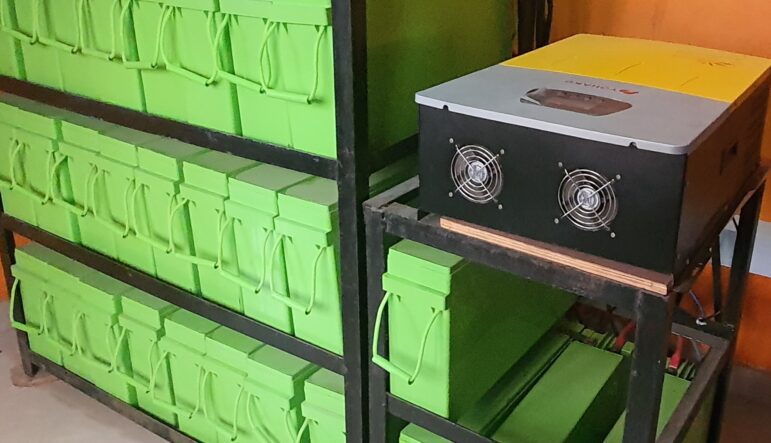
Inverter batteries are the backbone of reliable backup power in Nigeria. Whether you’re using tubular, AGM, or lithium batteries, proper care can significantly extend their performance and lifespan, saving you money and frustration.
Stay above 50–60% Depth of Discharge (DoD): Lead-acid batteries age faster when deeply discharged. AGM/tubular batteries should be recharged once they hit 50–60% DoD; lithium types can go lower (≈ 80–90%).
Use a low-voltage disconnect feature to automatically protect against over-discharge.
Regular cycles maintain battery health, fully discharge and recharge at least twice monthly if power outages are rare.
Use compatible chargers or smart inverters with settings calibrated to your battery’s chemistry; this prevents overcharging or undercharging.
Store batteries in cool (15–30 °C), well-ventilated areas: Higher temperatures accelerate degradation.
Avoid direct sunlight or heat sources, and place in shaded, airy locations.
For wet-cell/tubular batteries, measure electrolyte level monthly and top up with distilled water only.
Equalize the charge every 1–3 months to prevent sulfation and balance cells.
Terminal maintenance: Monthly clean-ups with baking soda solution, rinse, dry, and apply grease to prevent corrosion.
Visual checks: Look for casing damage, leaks, cracks, or bulging. replace any compromised batteries immediately.
Operate at <50% rated load; heavy and continuous discharge reduces battery life significantly.
Unplug unnecessary appliances during outages to reduce deep cycling.
Switch to LEDs, energy-saving fans, and high-efficiency appliances to lower the drain on batteries.
Match battery bank size to load demand: avoid undersized systems that strain batteries.
Install a battery monitor or hydrometer to track voltage, DoD, and temperature. This helps catch anomalies early.
Enable charge control features or alerts (e.g., mobile monitoring) to avoid misuse.
Q1. How often should I top up inverter batteries?
Check fluid levels monthly, especially after charging cycles. Top up only with distilled water; tap water contains minerals that accelerate degradation.
Q2. What DoD level is safe?
For tubular/AGM batteries: 50–60% DoD; for lithium, you can go deeper (up to 90%) without impacting lifespan.
Q3. Can high ambient temperatures damage batteries?
Yes. Heat accelerates chemical degradation; keep batteries below ~30 °C in a shaded, ventilated location.
Q4. What if batteries are unused due to frequent grid outages?
Even if rarely used, cycle them fully twice monthly to prevent sulfation and maintain capacity.
Q5. Is deep discharge harmful?
Yes, deep discharge (80–100% DoD) significantly shortens battery life. Use a low-voltage disconnect to prevent this.
By following these steps, you can realistically aim for 5–8 years of reliable battery performance for lead-acid systems and even longer for lithium. Proper care not only saves money but ensures your backup power remains dependable when it matters most.
For consultation on the solar inverter system, you can contact us:
Call / WhatsApp (+234) 9130003339 (Office)
