15/17 Suny Jigide Street, By Celestial Way, Ogudu Lagos.
Mon-Fri 08:00 AM - 05:00 PM
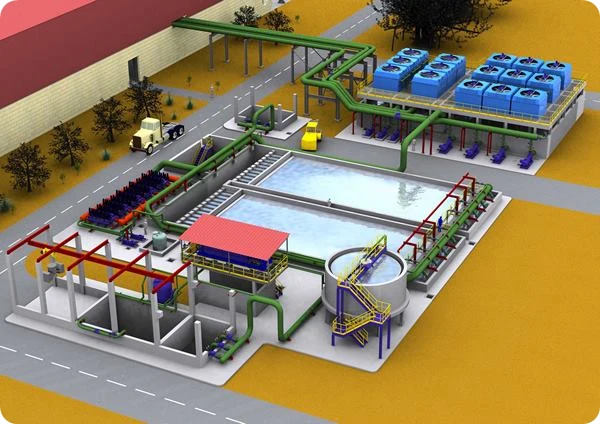
Water treatment is an important part of modern building infrastructure, but it is often considered only after the plumbing system has already been designed. This approach can create unnecessary challenges, including inadequate space for treatment equipment, pressure losses, complicated pipework, difficult maintenance, and treatment systems that fail to meet the building’s water demands.
A more effective approach is to integrate water treatment into the plumbing design from the beginning. By considering water quality, flow rates, pressure, equipment requirements, maintenance, and the building’s intended use during the design stage, engineers and building owners can create a water system that is safer, more efficient, and easier to maintain.
The quality of incoming water can vary significantly depending on its source, location, and existing water infrastructure. Even when water meets basic regulatory standards, it may contain minerals, sediment, chlorine, microorganisms, or other substances that can affect plumbing components and water-using equipment.
Without appropriate treatment, these issues can contribute to scale formation, corrosion, unpleasant taste or odour, blocked pipes, and premature failure of appliances and equipment.
Integrating treatment into the plumbing design allows these risks to be addressed systematically rather than through temporary solutions after problems occur.
It also ensures that the treatment equipment works with the rest of the plumbing system. For example, a filtration or softening system must be appropriately sized for the building’s expected flow rate. If it is undersized, it may restrict water flow or fail to provide adequate treatment during periods of peak demand.
The first step should be understanding the water entering the building.
A water quality assessment can identify issues such as:
The treatment strategy should be based on actual water-quality conditions rather than assumptions.
For example, a building supplied with hard water may require a water softening system to reduce scale formation. A building with sediment problems may benefit from appropriate filtration before water enters sensitive equipment.
Understanding the water source and its characteristics also helps determine where to install treatment within the plumbing system.
Water treatment equipment should be sized according to the building’s actual and anticipated water demand.
A residential building, hotel, hospital, office complex, school, industrial facility, and commercial property can have very different consumption patterns. Engineers need to consider both average demand and peak flow.
Important factors include:
If treatment equipment cannot accommodate the required flow rate, it can become a bottleneck in the plumbing system. Conversely, significantly oversized equipment may increase capital costs and operating expenses without providing meaningful benefits.
Proper sizing therefore requires coordination between the plumbing design and the selected treatment technology.
One of the most important design decisions is determining the appropriate location for water treatment.
In some buildings, a centralized treatment system at the main water entry point may be appropriate. This approach can provide treated water throughout the building and may simplify management.
In other cases, treatment may be better applied to specific branches or points of use. Certain equipment or applications may require a higher level of treatment than the rest of the building.
For example, general building water may require filtration or softening, while a particular process or drinking-water outlet may require additional treatment.
The plumbing design should therefore identify which water outlets require treatment and what level of treatment is appropriate for each application.
Water treatment equipment can introduce pressure loss into a plumbing system. Filters, membranes, softeners, valves, and other components can affect the pressure available downstream.
This needs to be considered during hydraulic design.
If pressure loss is overlooked, occupants may experience weak flow at fixtures, while equipment may not receive sufficient water pressure to operate correctly.
Designers should evaluate:
Where necessary, booster pumps or other pressure-management solutions may need to be incorporated into the overall system.
One of the major benefits of integrating water treatment is the protection it can provide to the building’s plumbing infrastructure and water-using equipment.
Hard water, sediment, and corrosive conditions can affect pipes, water heaters, boilers, pumps, appliances, and fixtures.
Scale, for example, can accumulate inside pipes and heating equipment, reducing efficiency and restricting flow. Sediment can damage valves and clog components, while unsuitable water chemistry can contribute to corrosion.
A properly designed treatment system can help reduce these risks and potentially extend the service life of expensive equipment.
However, treatment should always be selected according to the specific water-quality problem. There is no single treatment technology that is suitable for every building.
Water treatment equipment requires more than just installation space. Designers must also consider how technicians will inspect, service, clean, repair, and replace the equipment.
A common design mistake is placing treatment equipment in a confined area where routine maintenance becomes difficult.
The plumbing layout should provide sufficient clearance around equipment and include practical access to:
Maintenance access should be considered before construction rather than modified later.
A well-designed treatment system should allow maintenance to be carried out without unnecessarily shutting down the entire building’s water supply.
Isolation valves can allow individual components or treatment units to be removed from service. A properly designed bypass arrangement can also provide operational flexibility when treatment equipment needs to be serviced.
For larger or critical facilities, redundancy may be appropriate. Multiple treatment units can allow one unit to remain operational while another is being maintained.
The level of redundancy should depend on the building’s operational requirements and the consequences of a water-system interruption.
Many water treatment systems produce wastewater or require periodic flushing, regeneration, or cleaning.
These requirements should be incorporated into the plumbing design.
Drain connections should be properly sized and routed to an appropriate discharge point. Designers should also consider air gaps, backflow protection, drainage capacity, and applicable plumbing requirements.
Failing to plan for wastewater connections can result in improvised drainage arrangements that create operational and maintenance problems.
Some treatment systems require electricity, control panels, pumps, sensors, alarms, or automated valves.
These requirements should be coordinated with the building’s electrical and mechanical systems.
Depending on the system, monitoring may include parameters such as flow, pressure, water quality, filter condition, tank levels, or equipment status.
For larger buildings, integrating treatment equipment with the building management or monitoring system may provide useful information about system performance and maintenance requirements.
A plumbing system should not only work on the day it is commissioned. It should remain functional and maintainable throughout its service life.
Water treatment equipment may require filter replacement, media replacement, cleaning, calibration, or periodic servicing. Designers should make these activities straightforward and safe.
It is also worth considering whether the building may expand or experience increased water demand in the future. Providing sufficient capacity, connection points, or physical space for additional treatment equipment can reduce the cost and disruption associated with future modifications.
Successful water treatment integration requires coordination between plumbing engineers, mechanical and electrical professionals, architects, contractors, facility managers, and water treatment specialists.
The treatment system should be evaluated as part of the complete building water infrastructure rather than as an isolated piece of equipment.
A coordinated design can help ensure that:
This approach can reduce costly modifications during construction and help building owners avoid operational problems later.
Water treatment should be considered an integral component of building plumbing design, not an optional addition after the system has been installed. By assessing water quality early, selecting appropriate treatment technologies, correctly sizing equipment, managing pressure and flow, and planning for maintenance, designers can develop systems that deliver better water quality and reliable performance.
The right solution will depend on the building, its water source, occupancy, water demand, equipment, and intended applications. A professional assessment is therefore essential before selecting and installing a treatment system.
Looking for the right water treatment solution for your building? Contact CorePower to discuss your project requirements and develop a water treatment system that works as part of your overall plumbing design, not as an afterthought.
Call/WhatsApp (+234) 9130003339
