15/17 Suny Jigide Street, By Celestial Way, Ogudu Lagos.
Mon-Fri 08:00 AM - 05:00 PM
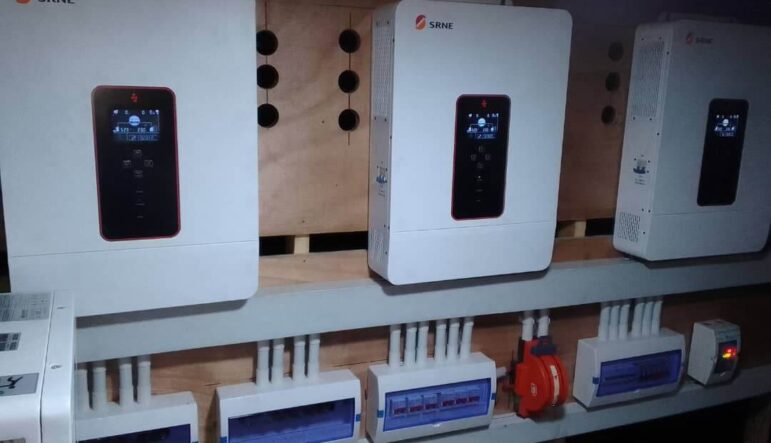
An inverter is a critical component of your power backup or solar energy system. Whether used in residential, commercial, or industrial applications, improper usage and poor maintenance significantly reduce its lifespan.
If you want to maximize performance, prevent premature failure, and protect your investment, you need to understand how to operate and maintain your inverter correctly.
Below are practical, technically sound strategies to ensure long service life.
Correct installation is foundational.
Mount in a well-ventilated area.
Avoid direct sunlight and moisture exposure.
Ensure adequate clearance around ventilation slots.
Use proper cable sizing to prevent voltage drops and overheating.
Improper installation causes thermal stress, which is one of the leading causes of inverter failure.
If you’re using a solar system, ensure the inverter matches your panel configuration and battery bank specifications.
Every inverter has a rated capacity (measured in VA or kVA). Exceeding this limit consistently will:
Trigger overload faults
Overheat internal components
Shorten the lifespan of MOSFETs and capacitors
To prevent overload:
Calculate total appliance wattage before connecting.
Avoid running heavy loads like air conditioners and heaters beyond the inverter capacity.
Use energy-efficient appliances where possible.
Load management is one of the simplest ways to extend inverter life.
Inverters and batteries work as a system. Poor battery maintenance directly impacts inverter performance.
For lead-acid batteries:
Check electrolyte levels regularly.
Use distilled water only.
Clean battery terminals to prevent corrosion.
For lithium batteries:
Avoid deep discharges unless manufacturer-approved.
Use compatible battery management systems (BMS).
A failing battery forces the inverter to work harder, increasing internal stress.
Frequent voltage fluctuations from grid supply can damage inverter components.
To mitigate:
Install a voltage stabilizer if your area experiences unstable power.
Ensure proper earthing to prevent electrical faults.
Use surge protection devices.
Voltage spikes can destroy sensitive circuit boards and reduce operational lifespan.
Dust accumulation restricts airflow and causes overheating.
Best practices:
Clean external vents periodically.
Avoid installing near construction zones or dusty areas.
Schedule internal servicing annually (by professionals only).
Overheating accelerates component degradation, particularly electrolytic capacitors.
Repeated hard shutdowns stress internal switching components.
Allow the inverter to shut down properly.
Avoid unnecessary power cycling.
Use automatic transfer switches where appropriate.
Controlled operation reduces wear on relays and power electronics.
Preventive maintenance helps detect issues before failure occurs.
Professional checks should include:
Internal inspection
Thermal scanning
Firmware updates (for modern inverters)
Battery health assessment
Routine servicing can extend the inverter’s lifespan by several years.
Durability starts with quality.
Select:
Pure sine wave inverters for sensitive appliances
Correct VA rating for expected load
Reputable brands with warranty support
An undersized or low-quality inverter will fail regardless of maintenance.
Your inverter is an investment. With correct installation, proper load management, battery care, and routine servicing, it can last 5–10 years or more, depending on usage and quality.
If you’re unsure whether your inverter is correctly sized or maintained, professional guidance makes the difference.
Need expert installation, maintenance, or system assessment?
Contact Core-Power Engineers today for professional inverter and solar system solutions tailored to your needs.
Call / WhatsApp (+234) 9130003339
