15/17 Suny Jigide Street, By Celestial Way, Ogudu Lagos.
Mon-Fri 08:00 AM - 05:00 PM
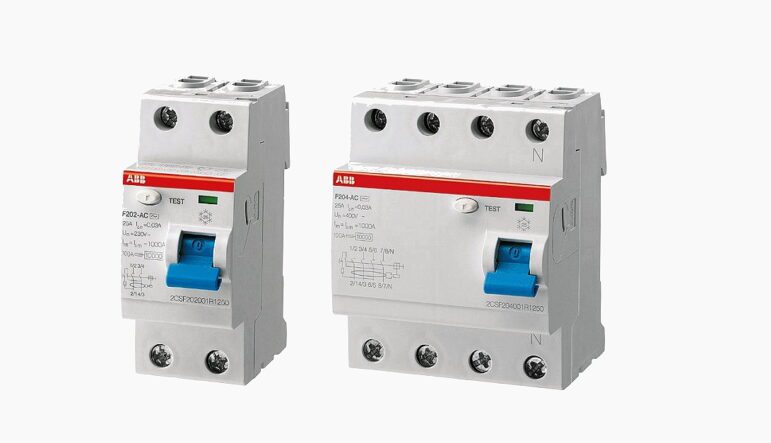
In Nigeria, where reliable power supply is often a challenge and the cost of energy continues to rise, improving energy efficiency and extending the lifespan of electrical equipment are key priorities for both businesses and households. One hidden factor that quietly undermines these goals is earth leakage.
Beyond the safety risks, unchecked earth leakage contributes to higher electricity bills, reduced performance of appliances, and frequent equipment failures. This makes it an important issue to address in homes, industries, and offices across the country.
Rising Electricity Costs
With electricity tariffs gradually increasing and reliance on generators already pushing costs higher, any avoidable energy loss matters. Leakage currents, though small, add unnecessary waste to monthly bills.
Generator and Inverter Stress
In Nigeria, many homes and businesses depend on generators and inverters. Earth leakage increases the load on these backup systems, causing more fuel consumption, reduced efficiency, and shorter battery life.
Frequent Appliance Failures
Earth leakage accelerates wear in appliances like water heaters, refrigerators, pumps, and air conditioners. Nigerians often experience appliances “packing up” earlier than expected, sometimes due to hidden leakage currents degrading insulation and components.
Cost of Replacement and Repairs
Frequent replacement of electrical equipment is a major financial burden, especially for small businesses already managing tight margins. Reducing leakage can extend equipment life and lower maintenance costs.
Residential Homes: A faulty water heater with leakage current not only wastes energy but can also cause shocks when touched, a common complaint among households.
Small Businesses: Tailoring shops, salons, and cyber cafés running on inverters may notice batteries draining too quickly sometimes a sign of leakage.
Industries: Factories running heavy machinery may face frequent tripping of circuit breakers or overheating motors, linked to leakage.
Routine Electrical Checks: Periodic inspection by licensed electricians to test insulation resistance and identify leakage paths.
Use of Residual Current Devices (RCDs): These detect leakage early and prevent waste and equipment damage.
Quality Electrical Materials: Investing in good-quality cables, breakers, and insulation reduces long-term leakage risks.
Moisture Protection: In regions with high humidity or flooding (e.g., Lagos, Port Harcourt), ensuring proper enclosures and sealing of electrical systems is critical.
Load Management: Ensuring that generators, inverters, and distribution systems are not overloaded helps reduce stress when leakage occurs.
Lower Energy Bills: Every kWh saved reduces costs for homes and businesses.
Prolonged Equipment Life: Appliances last longer, reducing the financial burden of constant repairs.
Better Safety: Minimizing the risk of shocks and fire outbreaks.
Improved Productivity: Businesses suffer less downtime due to equipment failure.
For Nigeria, tackling earth leakage is more than just an electrical safety requirement; it’s an economic necessity. Whether in homes, SMEs, or industrial plants, reducing earth leakage improves efficiency, saves money, and keeps equipment running longer.
By investing in routine checks, protective devices, and quality installations, Nigerians can protect their energy investments while ensuring safer and more reliable power use.
👉 Ready to safeguard your equipment and cut down hidden energy losses? Contact Core-Power Engineers today for professional inspection and tailored solutions for your facility.
Call / WhatsApp (+234) 9130003339 (Office)
