15/17 Suny Jigide Street, By Celestial Way, Ogudu Lagos.
Mon-Fri 08:00 AM - 05:00 PM
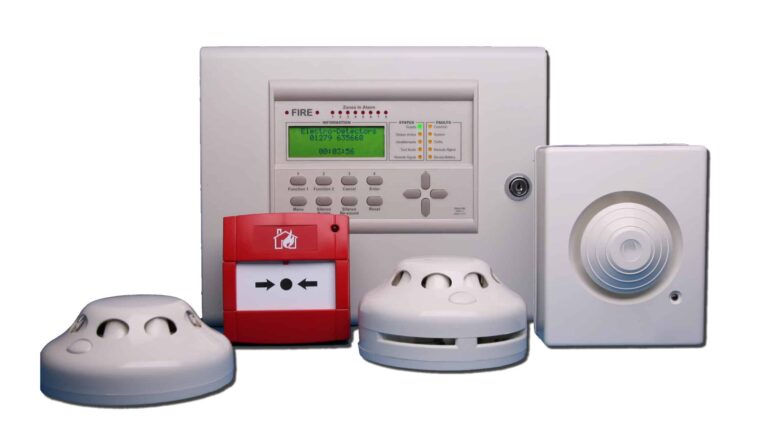
Fire protection isn’t just about following rules; it’s about saving lives, assets, and entire buildings.
Whether it’s an office tower, residential estate, or industrial site, a well-designed and properly maintained fire protection system is your first line of defense during an emergency.
But here’s the key question:👉 If a fire broke out today, would your system respond as it should?
It’s easy to assume that once installed, fire systems will work forever. Unfortunately, that’s rarely true. Many systems across Lagos and Nigeria fail to activate correctly because of poor maintenance or unnoticed faults.
Here are the most common causes of failure:
A fire system that “looks fine” might already be compromised inside, and only a proper inspection or audit can reveal it.
To protect your property effectively, your fire protection setup should combine multiple systems working together:
When properly installed and maintained, these systems save lives and minimize damage, but only if they’re operational when the crisis hits.
Here are a few warning signs that your fire protection system might not perform as expected:
If any of these sound familiar, your building is at serious risk, and immediate assessment is essential.
Regular inspection and testing of your fire protection system are not optional; they’re essential.
Routine audits help to:
In Lagos’ dense urban environment, where electrical faults and high temperatures increase fire risk, proactive maintenance can mean the difference between control and catastrophe.
At Core-Power Engineers, we specialize in complete fire protection system audits, maintenance, and upgrades for offices, estates, and commercial facilities.
Our certified engineers provide:
We don’t just check, we ensure readiness.
Don’t wait for an emergency to test your system’s reliability.
Schedule a fire protection system audit with us today and make sure your building is truly prepared when it matters most.
Call / WhatsApp (+234) 9130003339 (Office)
(+234) 9090000998 (Appointments)
