15/17 Suny Jigide Street, By Celestial Way, Ogudu Lagos.
Mon-Fri 08:00 AM - 05:00 PM
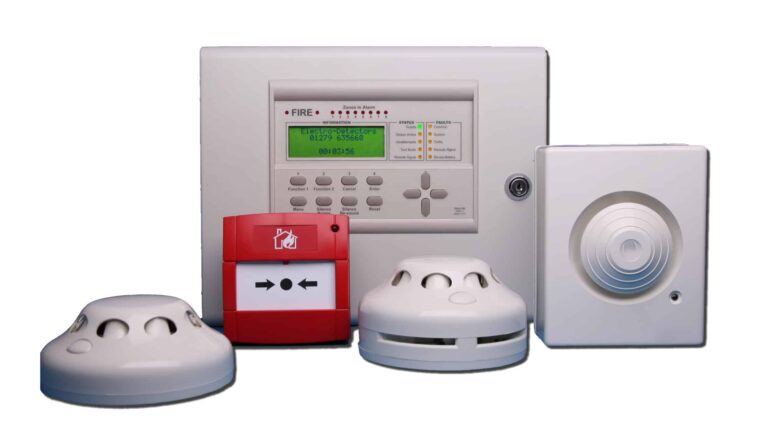
Fire protection systems are expected to function instantly during emergencies, but too often, faults go unnoticed until inspections or, worse still, an actual fire. Remote monitoring and predictive maintenance are transforming how buildings manage fire safety by identifying problems early and preventing system failure before it happens.
This smarter approach keeps people safer and buildings compliant year-round.
Most fire protection systems are maintained on fixed schedules. While inspections are important, issues can develop in between visits, such as:
Disabled or faulty detectors
Pressure loss in suppression systems
Battery failure in control panels
Communication errors between devices
Without real-time visibility, these faults can remain hidden for months.
Remote monitoring allows fire protection systems to be continuously observed through connected sensors and control panels. System performance data is transmitted in real time, making it possible to detect faults as soon as they occur.
Remote monitoring can track:
Alarm and detector status
Smoke control and extraction systems
Sprinkler and gas suppression pressure levels
Power supply and battery health
System tampering or failures
Instant alerts allow facility managers to act quickly, long before safety is compromised.
Predictive maintenance uses system data trends to anticipate failures before they happen. Instead of waiting for a component to break, maintenance teams can intervene early.
Examples include:
Detecting gradual pressure drops in suppression systems
Identifying detectors that repeatedly trigger faults
Monitoring fan performance in smoke extraction systems
Tracking battery degradation over time
This approach shifts fire safety from a reactive to a proactive approach.
Higher system reliability during emergencies
Faster fault response times
Reduced downtime and operational disruption
Lower long-term maintenance costs
Simplified compliance and audit reporting
Most importantly, it ensures systems are always ready when lives depend on them.
This technology is especially valuable for:
Commercial and office buildings
Hospitals and healthcare facilities
Data centers and critical infrastructure
Industrial plants and warehouses
Hotels, malls, and high-occupancy buildings
Any facility that prioritizes safety and business continuity can benefit.
When fire protection systems are integrated with MEP and building management systems (BMS), remote monitoring becomes even more effective. Facility managers gain centralized visibility, coordinated system response, and improved operational efficiency, all from a single platform.
Fire protection systems should never be left to chance. Remote monitoring and predictive maintenance provide continuous oversight, reduce risk, and strengthen building safety, without waiting for failure to occur.
Core-Power Engineers delivers modern fire protection solutions that combine remote monitoring, predictive maintenance, and seamless MEP integration.
We help ensure your systems stay reliable, compliant, and ready at all times.
👉 Contact us today to upgrade your fire protection strategy.
Call / WhatsApp (+234) 9130003339
