15/17 Suny Jigide Street, By Celestial Way, Ogudu Lagos.
Mon-Fri 08:00 AM - 05:00 PM
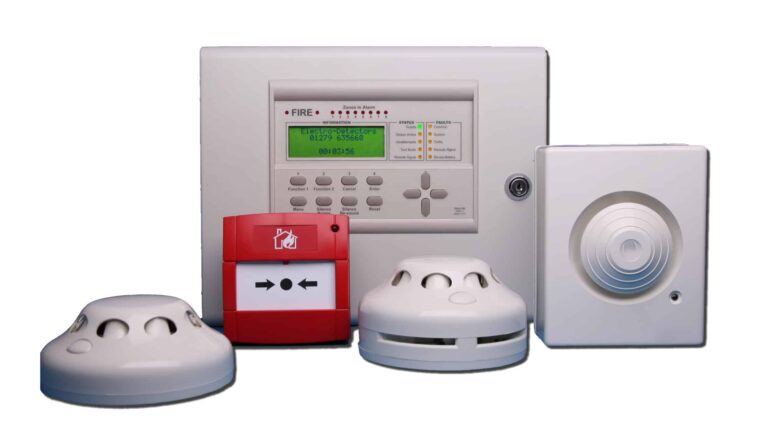
Different seasons bring different fire hazards, and ignoring these shifts can expose facilities to preventable emergencies. Whether you manage a commercial building, industrial facility, hospital, school, or residential estate, understanding how seasonal factors influence fire and smoke behavior is essential for year-round protection.
This guide breaks down the most common seasonal fire risks and the smoke-control strategies that keep people and property safe.
During the dry season, humidity drops, temperatures rise, and materials that normally resist ignition become more flammable. This period often sees:
Common Dry-Season Fire Risks
Static electricity buildup in industrial equipment
Overheated electrical systems due to ambient heat
Bushfires near facilities are spreading smoke indoors
Increased HVAC usage leading to clogged filters and poor ventilation
Smoke Control Essentials
Check all fire dampers and smoke dampers to ensure they can close properly.
Inspect HVAC filters; dusty filters worsen smoke spread.
Upgrade smoke detection in sensitive areas to aspirating (early-warning) systems.
Seal gaps around doors, shafts, and ductwork to prevent smoke infiltration.
In regions where power fluctuations are common, especially during rainy months or peak usage seasons, electrical faults become a major cause of fires.
Common Surge-Season Fire Risks
Overloaded circuits
Short circuits from moisture
Power restoration surges damage the equipment
Backup generators overheating
Smoke Control Essentials
Install surge protectors and monitor electrical loads.
Ensure server rooms and control rooms have gas suppression, not water.
Test smoke exhaust systems to confirm they activate automatically during an electrical fire.
Schedule preventive maintenance, especially for generator rooms and electrical panels.
Festive periods often bring temporary lighting, decorations, and increased human traffic, all of which raise the risk of fire and smoke spread.
Common Holiday Fire Risks
Faulty decorative lighting
Paper and fabric decorations ignite easily
Overloaded sockets
Cooking-related fires in commercial kitchens or event venues
Smoke Control Essentials
Test all fire alarms and smoke detectors before major festive events.
Place decorations away from heat sources and electrical equipment.
Ensure escape routes remain smoke-free by verifying pressure systems in stairwells.
Conduct quick staff refresher training on evacuation and extinguisher use.
Seasons often change how people use a building, and smoke-control systems must adapt.
Examples:
More AC usage during hot months affects air pressure balances.
Increased occupancy during conferences or festive gatherings creates evacuation challenges.
Reduced occupancy may lead to delayed maintenance or unnoticed faults.
Mitigation Steps:
Recalibrate HVAC systems seasonally.
Update occupancy numbers for evacuation and smoke modeling.
Ensure smoke extraction zones match actual building usage.
Smoke is responsible for the majority of fire-related fatalities, not flames. Seasonal conditions can increase smoke density, movement speed, and toxicity.
A proactive approach ensures:
Faster evacuation
Less structural damage
Protection of critical equipment
Compliance with fire safety regulations
Reduced liability for building owners and managers
Seasonal risks require seasonal solutions.
Core-Power Engineers provides professional fire protection, smoke management, and preventive maintenance services tailored to your building and local conditions.
👉 Contact Core-Power Engineers today to schedule a seasonal fire safety inspection or smoke-control audit.
Call / WhatsApp (+234) 9130003339
