15/17 Suny Jigide Street, By Celestial Way, Ogudu Lagos.
Mon-Fri 08:00 AM - 05:00 PM
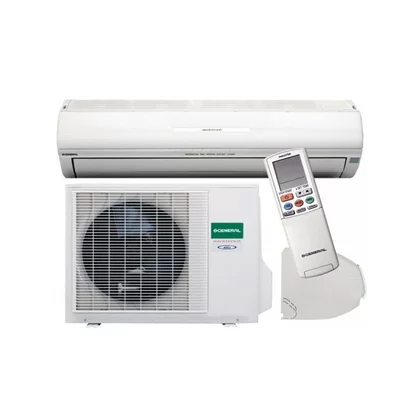
Choosing the right air conditioning system is essential for creating a comfortable home or office environment, especially in a hot climate like Lagos. However, when comparing air conditioners, many people are confused by the terms split AC and inverter AC.
It is important to understand that these terms do not describe the same thing. A split AC describes the physical configuration of the air conditioning system, while an inverter AC describes the technology used to control the compressor. In fact, many modern air conditioners are both split-type and inverter-powered.
So, which option is better for your space?
In this article, we compare the key features, advantages, and limitations of conventional split air conditioners and inverter air conditioners to help you make an informed decision.
A split air conditioner consists of two main units:
The two units are connected through refrigerant pipes and electrical cables. The indoor unit absorbs heat from the room and delivers cooled air, while the outdoor unit releases the absorbed heat outside.
Traditional or non-inverter split ACs typically use a fixed-speed compressor. Once the desired temperature is reached, the compressor switches off. When the room temperature rises again, the compressor restarts at full capacity.
An inverter air conditioner uses variable-speed compressor technology to regulate cooling output.
Instead of repeatedly switching the compressor completely on and off, an inverter AC adjusts the compressor’s operating speed according to the cooling requirements of the room.
For example, when a room is very hot, the compressor can operate at a higher speed to cool the space more quickly. Once the desired temperature is reached, it can reduce its speed and continue operating at a lower capacity to maintain a comfortable temperature.
This results in more precise temperature control and, under suitable operating conditions, improved energy efficiency.
Energy efficiency is one of the biggest advantages of inverter technology.
A conventional fixed-speed AC typically operates in a start-and-stop cycle. Each time the compressor restarts, it may consume a significant amount of power while returning to full operating capacity.
An inverter AC, on the other hand, can reduce its compressor speed once the desired temperature has been reached. This allows the system to better match its energy use to the cooling demand.
The actual energy savings will depend on several factors, including:
For frequent or long-term use, an inverter AC is generally the better choice for reducing electricity consumption and operating costs.
A conventional split AC can cool a room effectively and may deliver strong cooling when the compressor is operating at full capacity. However, because the compressor repeatedly switches on and off, the room temperature may fluctuate slightly.
An inverter AC continuously adjusts its cooling output. Instead of waiting for the room temperature to rise significantly before restarting at full capacity, it can gradually increase or decrease compressor speed to maintain the selected temperature.
This can result in:
For consistent temperature control and comfortable cooling over extended periods, an inverter AC generally has the advantage.
Noise is an important consideration for bedrooms, offices, meeting rooms, and other spaces where a quiet environment is preferred.
Conventional fixed-speed ACs may produce more noticeable changes in sound when the compressor starts and stops. Inverter ACs can operate more smoothly because their compressors adjust speed gradually.
However, the actual noise level depends on the quality and design of the specific air conditioner.
Inverter ACs are generally quieter during normal operation, making them a good option for bedrooms, offices, and other noise-sensitive spaces.
One of the main advantages of a conventional non-inverter split AC is its lower upfront cost.
For customers working with a limited budget, a conventional split AC may provide an affordable cooling solution, particularly when the air conditioner will not be used extensively.
Inverter ACs usually have a higher purchase price because of their advanced compressor and control technology. However, lower energy consumption over time may help offset the higher initial investment.
Both conventional and inverter ACs can provide reliable performance when they are correctly sized, professionally installed, and regularly maintained.
Because inverter compressors do not constantly operate in a full on-and-off cycle, they may experience smoother operation under normal conditions. However, inverter systems also contain more sophisticated electronic components, which can make proper installation and servicing especially important.
The lifespan of any AC system depends heavily on factors such as:
Both systems can be durable when properly installed and maintained. Inverter Acs offer smooth compressor operation, but professional installation and qualified maintenance are particularly important.
Because inverter ACs can reduce unnecessary energy consumption during long operating periods, they can also help reduce the electricity required to cool a building.
However, environmental performance is not determined by inverter technology alone. The refrigerant used, the energy-efficiency rating, proper installation, and regular maintenance also play important roles.
When choosing an AC, consider models with high energy-efficiency ratings and, where available, environmentally preferable refrigerants.
For users focused on reducing energy consumption, an efficient inverter AC is generally the better option.
Split AC vs. Inverter AC: Quick Comparison
| Feature | Conventional Split AC | Inverter AC |
| Compressor operation | Fixed speed | Variable speed |
| Energy efficiency | Generally lower | Generally higher during extended use |
| Temperature control | Can fluctuate slightly | More consistent |
| Noise level | Can be more noticeable | Generally quieter |
| Initial cost | Usually lower | Usually higher |
| Long-term running cost | Can be higher | Often lower with frequent use |
| Best for | Lower upfront budget or limited use | Frequent use and long-term efficiency |
The right choice depends on your budget, usage pattern, and cooling requirements.
A conventional split AC may be a suitable option if:
An inverter AC may be the better option if you:
For many homes and offices in Lagos where air conditioning is used frequently, a properly sized inverter split AC can provide an excellent balance of comfort, efficiency, and long-term operating value.
Choosing between a conventional split AC and an inverter AC involves more than simply comparing the purchase price. Factors such as room size, cooling load, daily operating hours, building insulation, power supply, and long-term energy costs should all be considered.
CorePower provides professional air conditioning solutions for residential, commercial, and office spaces in Lagos. Our experienced team can help assess your cooling requirements, recommend an appropriately sized air conditioning system, and provide professional installation and maintenance services.
Whether you need a conventional split AC or an energy-efficient inverter air conditioning system, choosing the right equipment and ensuring proper installation can make a significant difference in comfort, efficiency, and long-term performance.
Contact CorePower today to discuss your air conditioning requirements and find the right cooling solution for your space.
Call/WhatsApp (+234) 9130003339
