15/17 Suny Jigide Street, By Celestial Way, Ogudu Lagos.
Mon-Fri 08:00 AM - 05:00 PM
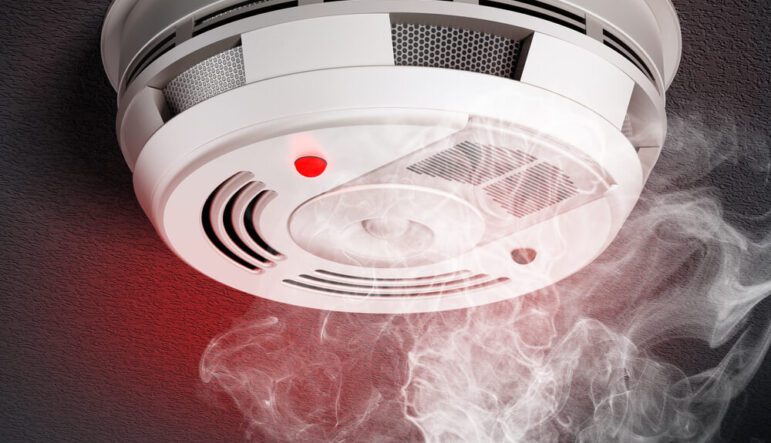
A fire can turn from a small incident into a major emergency within minutes. In a home, where people may be asleep, distracted, or in different parts of the building, having enough time to detect a fire and respond safely can make a significant difference.
A properly designed fire alarm system provides an early warning when smoke or fire is detected, helping occupants respond before the situation becomes more difficult to control.
For homeowners in Lagos and across Nigeria, fire protection should be considered part of the home’s overall electrical and safety planning, not an afterthought.
One of the most important functions of a fire alarm system is to detect signs of fire as early as possible.
Smoke and heat can spread quickly through a building, particularly when doors are open or several rooms are connected. A correctly positioned detector can identify danger and trigger an audible warning, giving occupants more time to:
Investigate a potential emergency safely
Alert other people in the house
Leave the building
Contact the emergency services
Use appropriate fire-fighting equipment where it is safe to do so
The objective is not simply to sound an alarm; it is to provide valuable warning time.
Fire protection becomes especially important at night.
When people are sleeping, they may not notice smoke, unusual smells, or the early signs of a fire. A loud, properly installed alarm can alert occupants while they are asleep and prompt them to evacuate.
For families, this can be particularly important when the home includes children, elderly relatives, or anyone who may require additional assistance during an emergency.
A good fire safety plan should therefore combine detection with a clear evacuation procedure.
A single alarm may not provide adequate coverage for an entire property.
Different rooms and areas can present different fire risks. Kitchens, living areas, bedrooms, electrical rooms, garages, and other spaces may require different detection approaches.
The right system should therefore be designed around the property’s:
Floor plan
Number of rooms
Occupancy
Electrical installation
Potential fire hazards
Building use and construction
Future expansion or renovation plans
Professional design helps ensure that detectors and alarm devices are positioned where they can perform effectively rather than simply installing equipment wherever it is convenient.
A fire alarm does not prevent a fire from starting, but early detection can help reduce the time between ignition and response.
That matters because a fire can damage much more than the structure of a home. Furniture, electronics, documents, appliances, clothing, photographs, and other personal belongings can all be affected.
Early warning allows occupants to respond quickly and, where appropriate, contact emergency responders before the fire develops further.
Many residential fire risks are connected to electrical equipment and installations.
Overloaded circuits, damaged cables, faulty connections, defective appliances, and poor electrical workmanship can all create safety concerns. This is why fire protection should be considered alongside the wider electrical design of a property.
Core-Power provides electrical design and installation services as part of its wider MEP capabilities, allowing homeowners and developers to consider electrical safety and fire protection as connected aspects of building design.
Today’s homes increasingly include CCTV, smart access control, automated lighting, energy management, and other connected technologies.
Fire detection can form part of a broader smart-home or building-safety strategy where the system and its components are appropriately designed to work together.
For example, a well-planned smart building environment can provide homeowners with greater visibility and control over different systems. Core-Power’s smart-home services include security, remote access, lighting control, power management, and other automation solutions.
However, fire protection should always be designed around its safety function first. Smart features should complement, not replace, reliable detection and alarm systems.
Buying a fire alarm is only one part of creating an effective fire protection system.
Detector locations, alarm coverage, wiring, power supply, system configuration, testing, and commissioning all affect how reliably the installation performs.
Professional installation also helps identify problems that may not be obvious to a homeowner, including unsuitable detector locations or gaps in coverage.
Core-Power’s broader MEP approach covers system design, installation, and maintenance, with its engineering team providing solutions tailored to the requirements of individual buildings.
A fire alarm system should not be installed and forgotten.
Detectors, alarm devices, batteries, wiring, control equipment, and other components should be inspected and tested according to the applicable requirements for the installation.
Regular maintenance can help identify:
Faulty or damaged detectors
Low or failed batteries
Wiring problems
System faults
Devices that need replacement
Changes to the building that affect fire protection coverage
Core-Power’s published guidance on fire alarm maintenance similarly emphasizes routine inspection, testing, replacement of faulty components, documentation, and emergency preparedness.
A fire alarm should not be viewed as a standalone solution.
A comprehensive residential safety plan can include:
Fire detection and alarm systems
Carbon monoxide detection where appropriate
Suitable fire extinguishers
Emergency lighting where required
Clearly planned escape routes
Electrical safety inspections
Regular system maintenance
A household emergency and evacuation plan
The combination of these measures provides a stronger layer of protection than relying on a single device.
Before installing a fire alarm system, consider more than the number of detectors you want to purchase.
Ask:
How large is the property?
A larger or multi-storey home may require a more comprehensive detection and alarm arrangement.
Where are the main fire risks?
The kitchen, electrical areas, generator-related spaces, and other locations may require particular consideration.
Who lives in the house?
Children, elderly residents, guests, and people with mobility limitations may influence alarm placement and evacuation planning.
Is the home being built or renovated?
Planning fire protection alongside the electrical and MEP design can make installation easier and reduce the need for disruptive modifications later.
Who will maintain the system?
A maintenance plan ensures the installation continues to receive attention after commissioning.
Fire safety is not simply about installing an alarm on the wall. It is about creating a system that suits the building, provides appropriate coverage, operates reliably, and can be maintained over time.
For homeowners constructing or renovating properties in Lagos, incorporating fire protection into the building’s electrical and MEP planning can provide a more coordinated and dependable solution.
Core-Power Limited provides MEP design and installation services, including electrical systems and fire alarm and safety systems as part of its building-services expertise.
A residential fire alarm system is an important part of a modern home’s safety strategy. Its greatest value is the warning it can provide when every second matters.
From protecting sleeping occupants to helping detect a developing fire and supporting a broader home safety plan, a properly designed system can provide an important additional layer of protection.
But effective fire protection goes beyond purchasing an alarm. Correct system design, professional installation, testing, and ongoing maintenance all matter.
If you are building, renovating, or upgrading a home in Lagos, consider including fire protection in your MEP and electrical planning from the beginning.
Want to improve your home’s fire protection?
Contact CorePower for your residential electrical and fire-safety requirements and find a solution designed around your property.
Call/WhatsApp (+234) 9130003339
