15/17 Suny Jigide Street, By Celestial Way, Ogudu Lagos.
Mon-Fri 08:00 AM - 05:00 PM
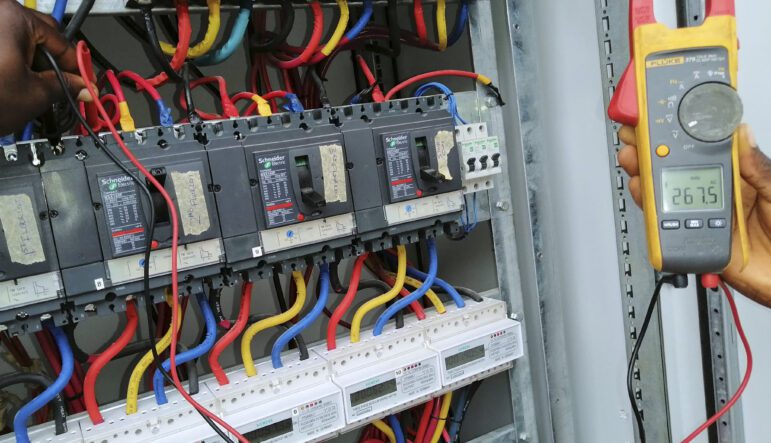
As electricity costs continue to put pressure on Nigerian households and businesses, managing energy consumption has become more important than ever. With the growing adoption of smart meters, solar power, battery storage, inverters, energy-efficient appliances, and connected energy-management systems, there are now more ways to monitor and reduce electricity waste.
One of the most effective ways to understand where your energy is going, and where you can save is through a regular power or energy audit.
An energy audit provides a detailed picture of how electricity is being consumed, identifies inefficiencies, and recommends practical solutions that can reduce operating costs over the long term.
A power audit is a systematic assessment of how electricity is generated, supplied, distributed, and consumed within a home, commercial facility, or industrial property.
Unlike simply checking your monthly electricity bill, a modern energy audit looks deeper into when, where, and how power is being used.
Depending on the size and complexity of the facility, an audit may involve:
A basic walk-through audit may reveal obvious sources of waste, while a detailed audit can use monitoring equipment and consumption data to provide a much more accurate assessment.
The biggest benefit of a regular energy audit is the opportunity to reduce energy expenses.
An audit can reveal equipment that consumes more electricity than necessary, lighting that operates when spaces are unoccupied, inefficient cooling systems, excessive standby loads, poor power factor, and other sources of avoidable consumption.
Once these issues are identified, you can prioritize improvements based on their potential savings and return on investment.
For example, replacing inefficient lighting with LED technology, installing occupancy sensors, optimizing air-conditioning systems, or adjusting equipment operating schedules can reduce electricity consumption without compromising productivity.
Nigeria’s energy landscape has changed significantly with the rapid growth of solar power, inverters, and battery energy storage systems.
However, installing a solar or backup power system does not automatically guarantee maximum savings.
A power audit can help determine:
This information can help homeowners and businesses design and operate hybrid power systems more efficiently.
Modern energy audits can go beyond identifying high electricity consumption. They can also help detect electrical and equipment issues before they result in major failures.
Abnormal load patterns, excessive heat, voltage fluctuations, poor connections, overloaded circuits, and inefficient equipment can all indicate potential problems.
Identifying these issues early can reduce unplanned downtime, emergency repairs, and premature equipment replacement.
Air conditioners, refrigeration systems, pumps, motors, generators, transformers, inverters, and other electrical equipment can consume more energy when they are poorly maintained or operating under unsuitable conditions.
Regular energy assessments can highlight equipment that is underperforming or consuming significantly more power than expected.
Addressing these problems early can improve efficiency while helping equipment operate closer to its intended performance and lifespan.
Energy efficiency is not only about reducing electricity bills.
Poorly maintained HVAC systems, inadequate lighting, unstable power, and inefficient equipment can affect comfort and productivity in homes, offices, hotels, schools, hospitals, and industrial facilities.
A modern energy audit can help identify opportunities to improve lighting quality, temperature control, ventilation, and power reliability while reducing unnecessary consumption.
Using less electricity means reducing the amount of energy required to power your facility.
For businesses using diesel or petrol generators alongside grid electricity, improving energy efficiency can also reduce fuel consumption and generator operating hours.
Combining energy efficiency measures with renewable energy technologies such as solar power and battery storage can further reduce reliance on conventional backup generation.
A professional energy audit typically follows several stages.
Step 1: Initial Consultation
The process begins with a discussion about your facility, energy requirements, electricity costs, operational challenges, and existing power systems.
For a business, this may include understanding operating hours, production schedules, major equipment, and backup-power arrangements.
Step 2: Energy Data Collection
The auditor reviews available electricity bills, meter readings, generator fuel consumption, solar production data, and other relevant information.
Where appropriate, smart meters and portable monitoring equipment can be used to collect more detailed information about electricity consumption.
Step 3: Site Inspection and Measurement
The property is inspected to identify energy losses and inefficient systems.
Measurements may be taken for parameters such as:
Thermal imaging and other diagnostic technologies may also be used where appropriate to identify abnormal heat or electrical issues.
Step 4: Data Analysis
The collected information is analyzed to determine where the largest opportunities for energy savings exist.
Rather than recommending upgrades simply because they are new, a good audit should prioritize solutions based on factors such as expected energy savings, implementation cost, operational impact, and payback period.
Step 5: Report and Recommendations
The client receives a report detailing the findings and recommended improvements.
Depending on the facility, recommendations could include:
Step 6: Implementation and Monitoring
The final step is putting the recommendations into practice and monitoring the results.
Modern energy management makes it possible to track consumption after improvements are implemented. This allows businesses and homeowners to determine whether expected savings are being achieved and identify new opportunities for improvement.
Technology has transformed the way energy consumption can be monitored and managed.
Traditional audits often relied heavily on utility bills and physical inspections. Today, energy professionals can combine these methods with digital monitoring technologies to obtain more detailed information.
Smart meters can provide more frequent consumption data, while IoT-enabled energy monitors can track individual circuits or equipment in near real time.
Energy-management software and dashboards can help users visualize consumption patterns and identify unusual changes. In larger facilities, automated systems can even adjust lighting, cooling, and other loads according to occupancy, schedules, or energy demand.
For Nigerian businesses investing in solar, inverters, and battery storage, this type of monitoring can be particularly useful for understanding how different power sources are being used and where additional savings can be achieved.
Residential Properties
A household in Lagos, for example, may discover through an energy audit that air-conditioning, water heating, refrigeration, and other appliances account for a significant share of its electricity consumption.
The audit could recommend more efficient cooling, improved temperature settings, smart controls, LED lighting, better appliance scheduling, or a properly sized solar-and-battery system.
The result can be lower electricity and fuel costs without sacrificing essential services.
Commercial Properties
For an office, hotel, retail outlet, school, or other commercial facility in Abuja or elsewhere in Nigeria, an audit may reveal that lighting and HVAC systems are major sources of energy consumption.
Installing LED lighting, occupancy sensors, smart controls, and more efficient cooling systems can reduce unnecessary consumption.
When combined with real-time monitoring, facility managers can track the results and identify additional savings opportunities.
How Often Should You Conduct an Energy Audit?
There is no single schedule that applies to every property.
For many homes and businesses, an annual review of energy consumption is a useful starting point. However, a more detailed audit may be appropriate when:
Regular monitoring between formal audits is also valuable because it can reveal changes in consumption before they become expensive problems.
You do not have to wait for a full audit to begin improving energy efficiency.
Monitor Your Consumption
Use smart meters, energy monitors, or available utility data to understand how much electricity you use and when consumption is highest.
Maintain Your Equipment
Poorly maintained air conditioners, refrigerators, pumps, motors, and generators can consume more energy than necessary. Regular maintenance can improve both efficiency and reliability.
Reduce Standby Consumption
Equipment that remains switched on when it is not needed can contribute to unnecessary energy use. Use timers, smart plugs, and automated controls where appropriate.
Upgrade Inefficient Lighting
LED lighting typically provides an efficient alternative to older lighting technologies. Combining LEDs with occupancy and daylight controls can deliver additional savings in suitable applications.
Optimize Cooling
Air-conditioning can represent a significant energy load in Nigeria’s climate. Regular servicing, appropriate temperature settings, improved insulation, and efficient equipment can help control cooling costs.
Review Your Power Mix
If you use grid electricity, a generator, an inverter, solar PV, and batteries, monitor how each source contributes to your overall energy supply. This can help you make better decisions about load management and system sizing.
Regular power audits are no longer simply about checking electricity bills and finding obvious sources of waste. With today’s smart meters, IoT monitoring, energy-management software, solar systems, battery storage, and efficient electrical equipment, Nigerian households and businesses have more tools than ever to understand and control their energy consumption.
A professional energy audit can help you identify where electricity is being wasted, prioritize cost-effective improvements, improve equipment performance, reduce generator and fuel dependence, and make better use of renewable energy systems.
The earlier you understand how your facility uses power, the easier it becomes to make informed decisions that deliver long-term savings.
Ready to understand your energy consumption and reduce unnecessary power costs? Get in touch with us at Core-Power to discuss your power and energy audit requirements.
Call/WhatsApp (+234) 9130003339
