15/17 Suny Jigide Street, By Celestial Way, Ogudu Lagos.
Mon-Fri 08:00 AM - 05:00 PM
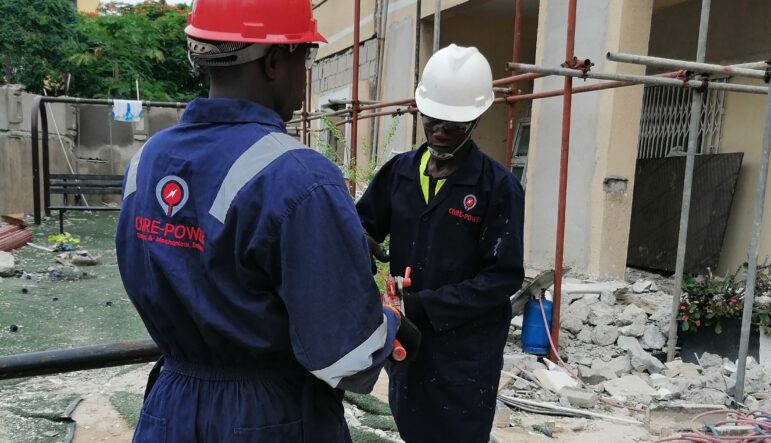
In today’s world, sustainable construction is not just a trend—it’s a necessity. With increasing awareness about the environmental impacts of building projects, the demand for sustainable practices has skyrocketed. One critical aspect of achieving sustainability in construction is proper Mechanical, Electrical, and Plumbing (MEP) planning. MEP systems form the backbone of any building’s functionality, and their integration into a sustainable design is essential for creating energy-efficient, Eco-friendly structures.
MEP planning involves the design, integration, and installation of a building’s mechanical, electrical, and plumbing systems. These systems include HVAC (Heating, Ventilation, and Air Conditioning), electrical wiring, lighting, water supply, fire protection, and drainage. Proper MEP planning ensures these systems work efficiently, complementing the building’s overall design and sustainability goals.
MEP systems play a significant role in a building’s energy consumption. Efficient HVAC systems, energy-saving lighting solutions, and optimized electrical distribution can dramatically reduce a building’s carbon footprint. Proper planning ensures these systems are designed to use minimal energy while maintaining maximum functionality.
Plumbing systems designed with sustainability in mind help reduce water waste. Features like low-flow fixtures, water recycling systems, and rainwater harvesting systems can be incorporated into the MEP plan, contributing to significant water savings over time.
Sustainable construction isn’t just about reducing environmental impact; it’s also about creating healthy living and working environments. Proper MEP planning ensures HVAC systems are designed to maintain optimal indoor temperatures and improve air quality while using minimal resources.
Modern MEP planning allows for the seamless integration of renewable energy sources like solar panels, wind turbines, or geothermal heating systems. This reduces dependency on fossil fuels and aligns with global goals for green energy adoption.
While sustainable MEP systems may have a higher upfront cost, their efficiency results in significant savings on energy and water bills over time. Smart MEP planning ensures these systems deliver long-term financial and environmental benefits.
Many certifications, such as LEED (Leadership in Energy and Environmental Design) or BREEAM (Building Research Establishment Environmental Assessment Method), require efficient MEP systems. Proper MEP planning helps achieve these certifications, enhancing the building’s value and appeal.
MEP planning is at the heart of sustainable construction. By focusing on energy efficiency, water conservation, and the integration of renewable energy, MEP systems enable buildings to reduce their environmental impact while enhancing functionality and comfort. Sustainable construction is no longer optional, it’s the future of the industry, and MEP planning is the key to achieving it.
If you’re looking to incorporate sustainable MEP solutions into your project, Core-Power Engineers is here to help. With expertise in designing and installing efficient MEP systems, we have completed successful projects across Lagos, Abuja, Port Harcourt, and beyond.
Contact us for consultation today
Call / WhatsApp (+234) 9130003339 (Office)
