15/17 Suny Jigide Street, By Celestial Way, Ogudu Lagos.
Mon-Fri 08:00 AM - 05:00 PM
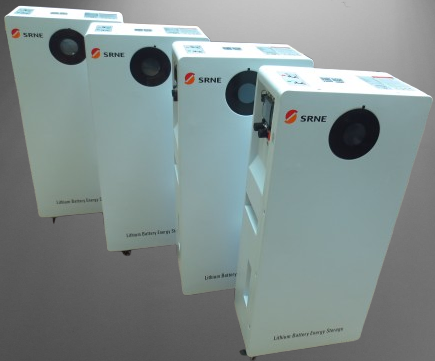
In Part 1, we discussed six major reasons inverter batteries fail prematurely, including deep discharging, overloading, improper charging, high temperatures, poor maintenance, and low-quality batteries.
In this second part, we’ll examine six additional, often-overlooked causes, along with practical maintenance tips and answers to common questions. Whether you’re already using an inverter system or planning a new installation, these insights will help you make informed decisions and get the best value from your investment.
One of the most common installation mistakes is using a battery that is too small for the intended load.
A battery with insufficient capacity will discharge much faster, requiring more frequent charging cycles. Over time, this increases wear and shortens its lifespan.
For example, if your home requires several hours of backup power during frequent outages, installing a battery with inadequate capacity will force it to work beyond its intended design.
How to Avoid It
Before purchasing an inverter battery, calculate:
Your total power consumption
The appliances you want to power
Expected backup duration
Future expansion needs
A professional energy assessment ensures your inverter and battery are correctly matched to your household or business requirements.
Many battery problems are caused by something as simple as poor electrical connections.
Loose terminals increase electrical resistance, leading to:
Poor charging efficiency
Voltage drops
Excessive heat
Reduced battery performance
Corrosion around battery terminals can also interrupt charging and discharge cycles.
What You Should Do
Inspect battery terminals regularly.
If you notice:
White or green deposits
Loose cable connections
Damaged battery cables
Have them cleaned or replaced immediately by a qualified technician.
Some homeowners assume that switching off their inverter for months will preserve the battery. In reality, batteries naturally lose charge over time.
If left in a discharged state for extended periods, permanent damage can occur.
Lead-acid batteries are especially vulnerable to sulphation during prolonged storage.
Best Practice
If your inverter system will not be used for several weeks or months:
Fully charge the battery before storage.
Recharge it periodically according to the manufacturer’s recommendations.
Store it in a cool, dry environment.
Proper storage helps preserve battery health until it is needed again.
Sometimes the battery is blamed when the actual problem lies elsewhere.
A malfunctioning inverter or charging circuit may:
Undercharge the battery
Overcharge the battery
Fail to detect battery voltage correctly
Interrupt charging cycles
These faults can significantly shorten battery life if left unresolved.
Warning Signs
The battery never reaches full charge.
Charging takes unusually long.
The inverter displays battery error messages.
Battery drains even after a full charge.
If you notice any of these symptoms, have the entire power system inspected, not just the battery.
Even a premium inverter battery can fail prematurely if it is installed incorrectly.
Common installation mistakes include:
Undersized cables
Incorrect polarity connections
Poor ventilation
Weak terminal connections
Inadequate protective devices
Professional installation ensures the battery operates safely and efficiently from day one.
An experienced installer will also recommend the correct inverter capacity, battery configuration, and cable sizes for your application.
Every battery has a finite lifespan.
Even with excellent maintenance, battery performance gradually declines over time.
Signs that your battery may be approaching the end of its life include:
Reduced backup time
Longer charging periods
Frequent low-battery alarms
Difficulty holding a charge
Swollen battery casing
Noticeable drop in performance
If your battery has reached its expected service life, replacement is often more cost-effective than repeated repairs.
Following a few simple maintenance practices can significantly improve battery performance and longevity.
Recharge Promptly
Recharge your battery as soon as power is restored. Avoid leaving it in a deeply discharged state for long periods.
Avoid Overloading
Operate only the appliances your inverter system was designed to support.
Install in a Cool Location
Keep batteries away from direct sunlight, excessive heat, and poorly ventilated spaces.
Inspect Regularly
Check cables, terminals, electrolyte levels (where applicable), and battery condition periodically.
Use Quality Components
Invest in genuine batteries, compatible inverters, and high-quality accessories from reputable suppliers.
Schedule Professional Servicing
Routine inspections by qualified technicians can identify potential issues before they lead to expensive failures.
How do I know my inverter battery is going bad?
Common signs include reduced backup time, slow charging, overheating, swollen casing, unusual smells, or the inability to hold a charge.
Can an inverter battery last more than five years?
Yes. A high-quality tubular or lithium battery that is properly installed and maintained can often exceed five years of reliable service.
Is it bad to leave my inverter on all the time?
No. Most modern inverter systems are designed for continuous operation. The key is ensuring proper charging, ventilation, and maintenance.
Can I replace only the battery without changing the inverter?
In many cases, yes. However, the replacement battery must be compatible with the inverter’s voltage, charging profile, and capacity requirements. A professional assessment is recommended before replacing any component.
Does buying a bigger battery improve backup time?
Generally, yes. A battery with higher capacity can provide longer backup power, provided it is correctly matched with the inverter and charging system.
An inverter battery is not designed to fail prematurely. Most early failures result from avoidable issues such as incorrect sizing, poor installation, improper charging, inadequate maintenance, or unsuitable operating conditions.
By understanding these common causes and following recommended maintenance practices, you can significantly extend your battery’s lifespan, reduce operating costs, and enjoy dependable backup power during outages.
Whether you’re replacing an ageing battery or planning a new inverter installation, making informed decisions today can save you substantial costs in the future.
Why Choose CorePower?
Choosing the right inverter battery is about more than buying a product; it’s about investing in a reliable power solution that meets your energy needs today and in the years ahead.
At CorePower, we help homeowners, businesses, schools, healthcare facilities, and commercial organisations design and install inverter and solar power systems that are efficient, reliable, and built to last. From selecting the right battery capacity to professional installation and after-sales support, our team is committed to helping you get the best performance from your backup power system.
Whether you’re experiencing battery problems, upgrading an existing setup, or planning a brand-new installation, we’re here to guide you every step of the way.
Contact CorePower today for expert advice, quality inverter batteries, professional installation, and dependable backup power solutions tailored to your needs. Let us help you power your home or business with confidence.
Call/WhatsApp (+234) 9130003339
