15/17 Suny Jigide Street, By Celestial Way, Ogudu Lagos.
Mon-Fri 08:00 AM - 05:00 PM
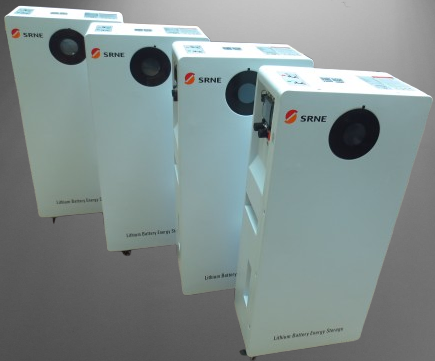
An inverter battery is one of the most important components of a backup power system. While the inverter converts stored energy into electricity for your home or business, the battery stores that energy. Without a healthy battery, even the best inverter cannot provide reliable backup power.
Many homeowners and business owners become frustrated when their inverter battery begins to lose capacity after only a short period. In some cases, a battery that should last several years starts performing poorly within months. The good news is that premature battery failure is often preventable.
Understanding why your inverter battery dies quickly can help you avoid unnecessary replacement costs, reduce downtime during power outages, and get the maximum value from your investment.
This guide explains the most common reasons inverter batteries fail prematurely and what you can do to extend their lifespan.
An inverter battery usually dies quickly because of one or more of the following reasons:
Frequent deep discharging
Improper charging
Overloading the inverter
Poor battery maintenance
High operating temperatures
Low-quality batteries
Incorrect battery sizing
Loose or corroded battery terminals
Long periods without use
Faulty chargers or inverters
Poor installation
Natural battery ageing
Most battery failures are caused by improper usage rather than manufacturing defects.
The lifespan of an inverter battery depends on its type, quality, usage pattern, maintenance, and operating conditions.
Under normal conditions:
| Battery Type | Expected Lifespan |
| Tubular Battery | 5–8 years |
| AGM Battery | 3–5 years |
| Gel Battery | 4–6 years |
| Lithium Battery | 8–15 years |
Proper maintenance and correct charging habits can significantly extend these lifespans.
One of the biggest reasons inverter batteries fail early is allowing them to discharge completely regularly.
Every battery has a limited number of charge-discharge cycles. The deeper each discharge, the fewer cycles the battery can deliver throughout its lifetime.
For example, if power outages are frequent and the battery is always drained to nearly zero before recharging, its lifespan is reduced significantly.
How to Prevent It
Recharge the battery as soon as possible.
Avoid draining below the manufacturer’s recommended level.
Reduce unnecessary electrical loads during outages.
Consider adding extra battery capacity if your backup duration is consistently insufficient.
Many people assume the battery is faulty when, in reality, they are demanding more power than the system was designed to provide.
Running heavy appliances such as:
Air conditioners
Electric kettles
Water heaters
Industrial pumps
Welding machines
can force the battery to discharge much faster than normal.
Overloading also causes excessive heat, placing additional stress on both the battery and inverter.
Signs of Overloading
Battery drains unusually fast.
The inverter frequently alarms.
The system shuts down unexpectedly.
The battery becomes excessively hot.
Always ensure your inverter capacity matches your electrical load.
Charging problems are another leading cause of battery failure.
An inverter battery must receive the correct charging voltage and charging current. Both overcharging and undercharging reduce battery lifespan.
Overcharging
Excessive charging can:
cause overheating
damage battery plates
increase water loss in flooded batteries
reduce overall battery capacity
Undercharging
Incomplete charging leads to sulphation, where lead sulphate crystals build up on the battery plates.
Sulphation is one of the most common reasons lead-acid batteries lose capacity permanently.
To avoid charging issues:
Use compatible chargers.
Allow batteries to charge fully.
Avoid frequently interrupting charging cycles.
Heat is one of the biggest enemies of battery health.
Many inverter batteries are installed in locations such as:
outdoor enclosures
kitchens
generator rooms
enclosed cabinets
poorly ventilated spaces
High temperatures accelerate chemical reactions inside the battery, causing faster wear and reducing service life.
Although batteries may appear to perform better temporarily in hot conditions, long-term exposure significantly shortens their lifespan.
Best Practice
Install your inverter battery in a cool, dry, well-ventilated location away from direct sunlight and heat-producing appliances.
Maintenance is often overlooked until problems develop.
Flooded lead-acid batteries require regular inspection to ensure they remain in good condition.
Ignoring maintenance can lead to:
corrosion
poor electrical connections
reduced charging efficiency
permanent battery damage
Maintenance Checklist
Clean battery terminals regularly.
Inspect cables for looseness.
Check electrolyte levels where applicable.
Remove corrosion immediately.
Keep the battery clean and dry.
Schedule periodic professional inspections.
Routine maintenance helps identify small problems before they become expensive failures.
Choosing the cheapest battery available often becomes more expensive in the long run.
Low-quality batteries may:
contain inferior materials
offer fewer charging cycles
lose capacity faster
struggle under frequent power outages
fail prematurely
When purchasing an inverter battery, consider more than just the initial price.
Look for:
proven performance
genuine warranty
reputable manufacturer
after-sales support
compatibility with your inverter system
Investing in a quality battery usually results in lower lifetime operating costs and better reliability.
An inverter battery is a long-term investment, and how you use and maintain it has a significant impact on its lifespan. Issues such as deep discharging, overloading, improper charging, excessive heat, poor maintenance, and low-quality batteries are among the most common reasons batteries fail prematurely. By identifying these problems early and following best practices, you can improve your battery’s performance, reduce replacement costs, and enjoy more reliable backup power.
In Part 2, we’ll explore six more hidden causes of premature battery failure, practical maintenance tips, frequently asked questions, and expert recommendations to help you get the most out of your inverter battery.
Whether you’re choosing a new battery, upgrading your backup power system, or troubleshooting battery issues, CorePower is here to help. Our team provides high-quality inverter and solar power solutions tailored to your home or business, ensuring reliable performance and long-lasting value.
Contact CorePower today to speak with our power experts and find the right inverter battery solution for your energy needs.
Call/WhatsApp (+234) 9130003339
